
Why Carpet Cleaning Is Important for Calgary Homes
The Main Benefits of Regular Carpet Cleaning
Regular carpet cleaning is important because carpet is both a design feature and a working surface. Every day, people walk across it, children play on it, pets rest on it, and air movement carries dust into its fibers. Vacuuming removes much of the loose debris on the surface, but it does not always reach oily soil, compacted dirt, spills, or residues that settle deeper in the pile. A planned cleaning routine helps keep the carpet looking better and supports a cleaner, more comfortable home.
One major benefit is improved indoor hygiene. Carpet can collect dust, pollen, pet hair, tracked-in soil, and small particles from normal household activity. This does not mean carpet is automatically unhealthy, but neglected carpet can become difficult to maintain. Frequent vacuuming with a well-maintained machine is the first step, while periodic deep cleaning removes soil that routine vacuuming leaves behind. Households with pets, children, heavy foot traffic, or frequent visitors may need cleaning more often than low-traffic homes.
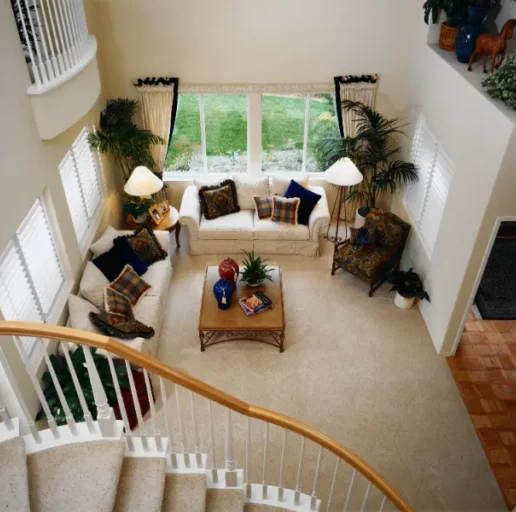
Supports Better Indoor Hygiene
Professional or properly performed deep cleaning also helps control odors. Food spills, damp shoes, pet accidents, smoke, and everyday use can leave smells trapped in carpet fibers or the material underneath. Fragrance alone only masks the problem. Effective cleaning identifies the source, uses a suitable treatment, extracts the residue, and dries the area thoroughly. If odor has reached the carpet pad or subfloor, additional treatment may be required, so early action is valuable.
Regular cleaning can protect the carpet’s appearance and useful life. Abrasive grit acts like fine sandpaper when people walk over it, gradually dulling fibers and contributing to worn traffic lanes. Removing that soil reduces unnecessary friction. Prompt spot treatment also lowers the chance that spills will become permanent stains. The correct product matters: harsh chemicals, excessive scrubbing, or too much water can damage color, texture, backing, or adhesives.
Helps Control Stains and Odors
A clean carpet makes the entire room feel more cared for. Colors appear brighter, the pile looks more even, and rooms often smell fresher. This is especially useful before guests arrive, after renovations, at the end of a rental period, or when preparing a property for sale. Consistent maintenance can also prevent the need for aggressive restoration later.


Protects Carpet Fibers From Premature Wear
For the best result, prepare the space by removing small items, identifying stains, and discussing fiber type and previous treatments with the cleaner. After cleaning, use ventilation and airflow to support drying, and keep shoes and heavy furniture off damp carpet. A thoughtful combination of vacuuming, spot care, and periodic deep cleaning keeps carpet attractive, functional, and easier to live with for years.
FAQs
Why is vacuuming not enough for carpet care?
Vacuuming removes loose surface debris, but deep cleaning targets oily soil, compacted dirt, spills, and residues embedded deeper in the fibres.
How often should carpets be professionally cleaned?
Many homes benefit from cleaning every 12 to 18 months, while homes with pets, children, or heavy traffic may need a shorter schedule.
Does carpet cleaning help with odors?
Yes, when the odour source is treated and extracted rather than covered with fragrance. Odours in the pad or subfloor may require additional treatment.
Can regular cleaning extend carpet life?
It can help by removing abrasive grit, reducing wear in traffic lanes, and preventing spots from becoming permanent.