What Is the Best Way to Clean Upholstery Fabric?
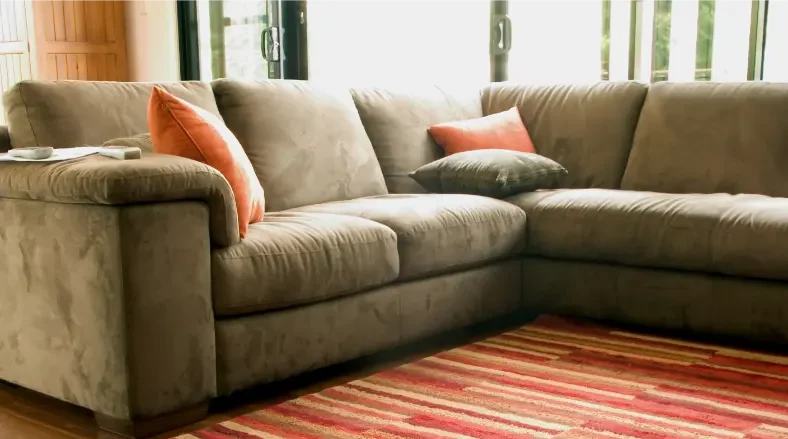
Upholstered furniture adds comfort, warmth, and style to a home, but it also absorbs daily life faster than most people realize. Sofas, couches, armchairs, dining chairs, and other upholstered pieces collect dust, body oils, crumbs, pet hair, allergens, and spills over time. Even when furniture still looks “fine” on the surface, the fabric can hold a surprising amount of dirt beneath it.
That is why many homeowners ask an important question: what is the best way to clean upholstery fabric?
The honest answer is that the best method depends on the type of fabric, the amount of dirt or staining, and whether the problem is light surface buildup or deeper contamination. Some furniture can be refreshed at home with careful spot cleaning, while other pieces need professional treatment to remove stains, odours, and embedded soil safely.
Understanding the right approach can help you protect your furniture, avoid fabric damage, and keep your home looking and feeling fresher.
Why Upholstery Fabric Gets Dirty Faster Than People Expect
Most upholstered furniture is used every day, sometimes for hours at a time. That regular contact causes gradual buildup from skin oils, sweat, dust, food particles, and airborne debris. In homes with children or pets, the fabric often goes through even more wear.
Over time, upholstery may develop:
- Dull-looking fabric
- Darker headrests or armrests
- Body oil buildup on frequently used cushions
- Food or drink stains
- Pet hair and lingering odours
- A dusty or stale smell
Unlike hard surfaces, upholstery fabric traps particles deep within the material. A quick wipe-down is not enough, and even regular vacuuming only removes part of the buildup.

Check the Upholstery Cleaning Code First
Before using any cleaner, the first step is checking the manufacturer’s cleaning code, usually found on the furniture tag. This code tells you what type of cleaning method is safest for the fabric.
Common upholstery cleaning codes include:
W: Water-based cleaners are safe
S: Solvent-based cleaners only
WS: Water-based or solvent-based cleaners can be used
X: Vacuum only, no liquid cleaners
This step matters because the wrong product can cause shrinkage, discoloration, water rings, or damage to the fabric texture. Many cleaning mistakes happen simply because the fabric code was ignored.

The Best Way to Clean Upholstery Fabric at Home
If the furniture has light dirt or a fresh stain, home cleaning may be enough. The safest method is usually a gentle one.
1. Vacuum the fabric thoroughly
Start by vacuuming the entire piece using an upholstery attachment. Focus on cushions, seams, folds, and corners where dust and debris collect.
This helps remove:
- Loose dirt
- Crumbs
- Pet hair
- Surface dust
Vacuuming first also prevents rubbing dirt deeper into the fabric during spot cleaning.

2. Test any cleaner on a hidden area
Before applying any cleaning solution, test it on a small hidden spot. Wait until it dries completely so you can see whether the fabric reacts badly.
- This is especially important for delicate or older upholstery.
3. Blot stains gently
For spills or minor stains, blot the area gently with a clean cloth. Avoid scrubbing hard, because this can spread the stain and damage the fibres.
A mild fabric-safe cleaner or a small amount of water-based solution may help, depending on the cleaning code.
4. Avoid over-wetting the fabric
One of the biggest mistakes in DIY upholstery cleaning is using too much water. Oversaturation can lead to:
- Long drying times
- Mildew smells
- Water marks
- Damage to padding beneath the fabric
The best home cleaning approach is controlled, light, and fabric-safe.
5. Allow proper drying
Good airflow is essential after cleaning. Open windows, use fans, or improve ventilation so the upholstery dries thoroughly.
What Is the Best Way to Clean Upholstery Fabric for Stains?
Stains are one of the main reasons people search for upholstery cleaning advice. The best way to handle them depends on the type of stain and how long it has been there.
Fresh stains are usually easier to treat than old ones. Common upholstery stains include:
- Coffee
- Tea
- Juice
- Wine
- Food grease
- Pet accidents
- Ink or makeup
For fresh stains, quick blotting and the correct cleaner can make a big difference. For older stains, surface cleaning may not be enough because the spill may have penetrated deeper into the fabric or cushion.
This is where DIY methods often reach their limit.
What Is the Best Way to Clean Upholstery Fabric With Pet Odours?
Pet odours are more complicated than ordinary surface dirt. If a dog or cat has had an accident on furniture, the issue may go deeper than the visible spot. The odour can settle into the upholstery fabric, the cushion fill, and sometimes the base beneath it.
In these situations, home cleaning products may reduce the smell temporarily, but the odour often returns later.
The best way to clean upholstery fabric with pet odours usually involves:
- Deep extraction
- Odour treatment
- Controlled moisture cleaning
- Full drying after treatment
If the smell keeps coming back, professional upholstery cleaning is often the more effective choice.
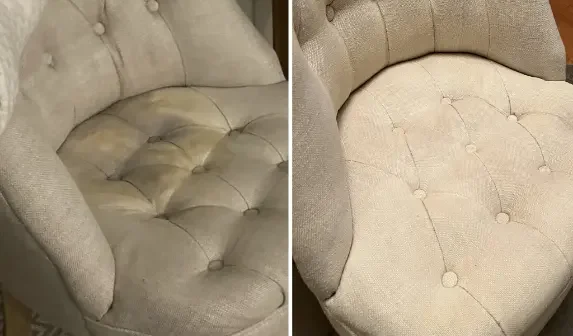
Professional Upholstery Cleaning Often Delivers Better Results
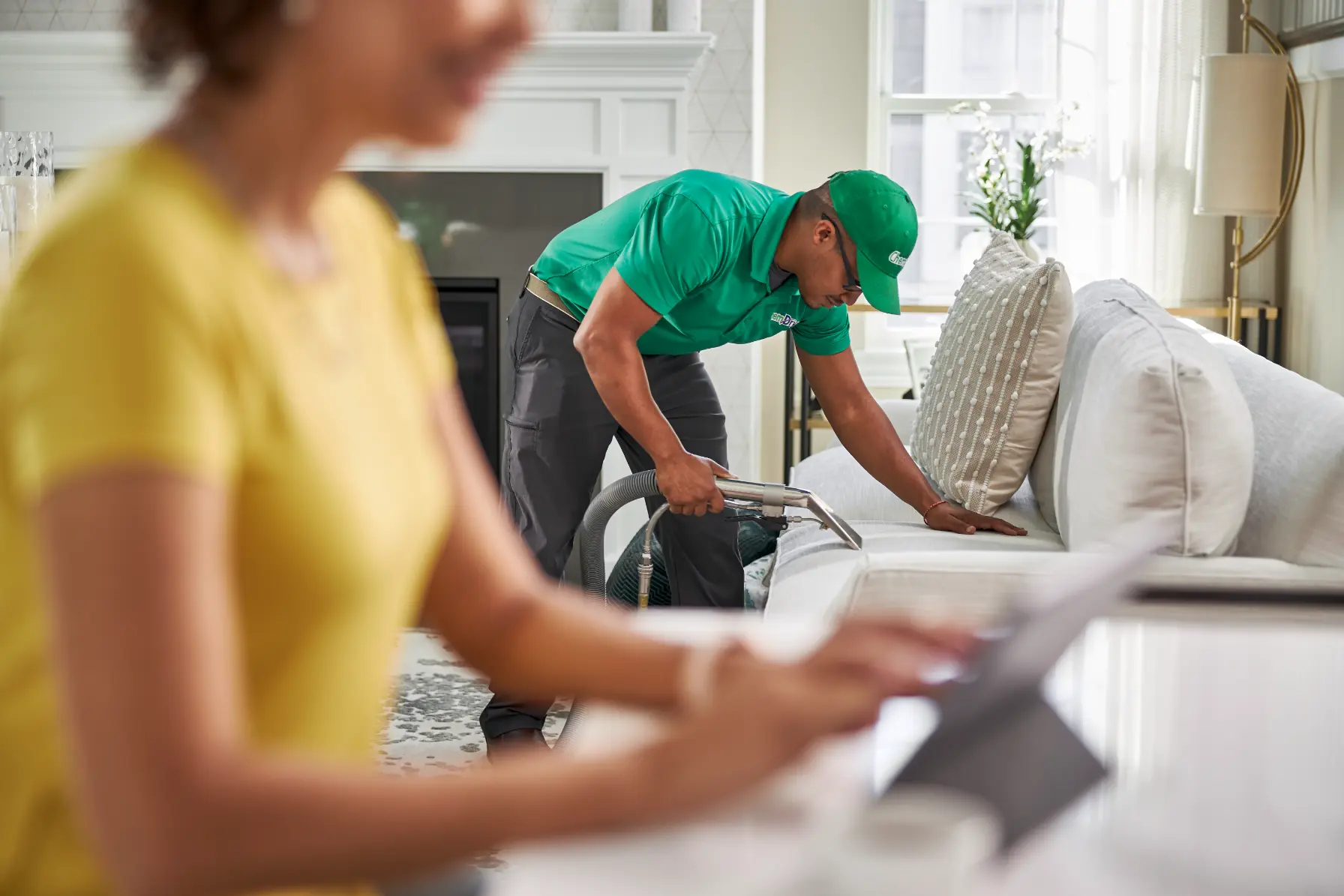
While home methods are useful for light maintenance, professional cleaning is often the best way to clean upholstery fabric when the furniture is heavily used, visibly stained, or holding odours.
Professional upholstery cleaning typically offers:
- Deep soil removal
- Safer cleaning for different fabric types
- Better stain treatment
- Odour removal at the source
- Faster and more even drying
- Improved overall appearance
Professionals also know how to adjust the cleaning process based on the upholstery material, which helps reduce the risk of damage.
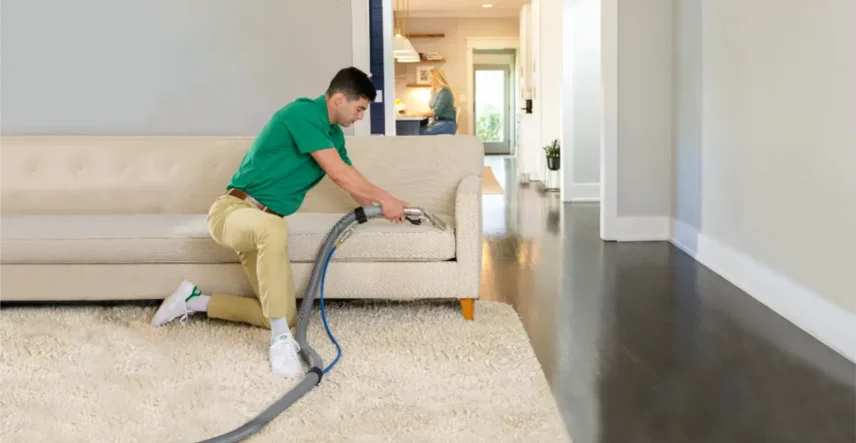
Steam Cleaning vs Low-Moisture Upholstery Cleaning
When people think about professional upholstery cleaning, they often assume steam cleaning is always the answer. In reality, there are multiple methods, and the best one depends on the furniture.
Steam cleaning
Steam or hot water extraction can be very effective for deeper cleaning. It works well for durable fabrics with heavy soil buildup.
Benefits include:
- Deep cleaning power
- Good stain removal
- Useful for heavily used furniture
Low-moisture cleaning
Low-moisture methods use much less water and are often preferred for delicate upholstery or situations where faster drying is important.
Benefits include:
- Reduced risk of over-wetting
- Faster drying times
- Suitable for more sensitive fabrics
The best professional cleaners choose the method based on the fabric, not just one standard process for everything.

How Often Should Upholstery Fabric Be Cleaned?
A good general guideline is:
- Every 6 to 12 months for most homes
- Every 3 to 6 months for homes with pets or children
- As soon as possible after major spills or accidents
Regular cleaning helps furniture last longer and keeps your home more comfortable overall.
Final Answer: What Is the Best Way to Clean Upholstery Fabric?
Don’t let persistent odours affect your home environment. Contact us today for a consultation and let our So, what is the best way to clean upholstery fabric?
For light dust, mild dirt, and small fresh stains, careful home cleaning can help. Vacuuming regularly, checking the fabric code, using the right cleaner, and avoiding too much moisture are all important.
But for deeper stains, pet odours, heavy buildup, or delicate furniture, professional upholstery cleaning is often the best solution. It provides a deeper clean, protects the fabric better, and delivers results that are harder to achieve with standard DIY methods.
If your furniture looks dull, smells off, or has stains that will not lift, professional upholstery cleaning can help restore comfort, freshness, and a cleaner feel throughout the room.
Call us at 403 836 1665
Eco Valley Chem-Dry
Green cleaning, comfortable living.