
Food and Drinks
Coffee, wine, sauces, juice, coloured beverages, and food spills may contain tannins, dyes, sugars, or oils.
Fibre-safe treatment for food, drink, grease, tracked soil, makeup, pet spots, and difficult stains—based on the carpet, the substance, and previous treatments.
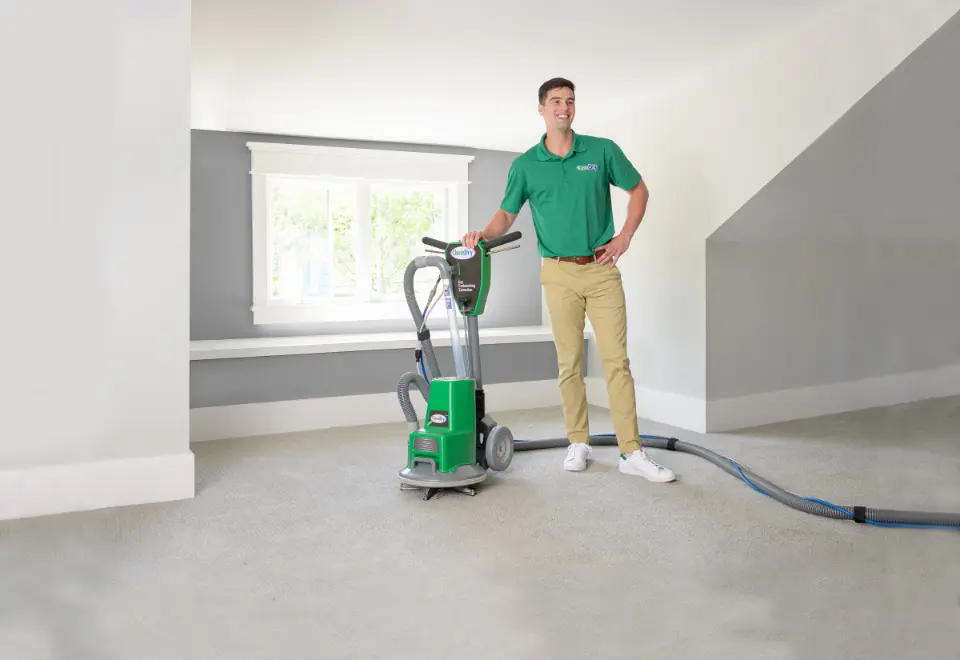
Carpet stain removal in Calgary starts with identifying what caused the spot and how it reacted with the carpet. Coffee, wine, grease, food colouring, mud, makeup, pet accidents, ink, and unknown stains do not respond to the same product.
The carpet fibre, dye, backing, age, previous treatments, and time since the spill all affect the safest method and the likely result. Professional inspection reduces the risk of spreading the stain or permanently changing the carpet colour.
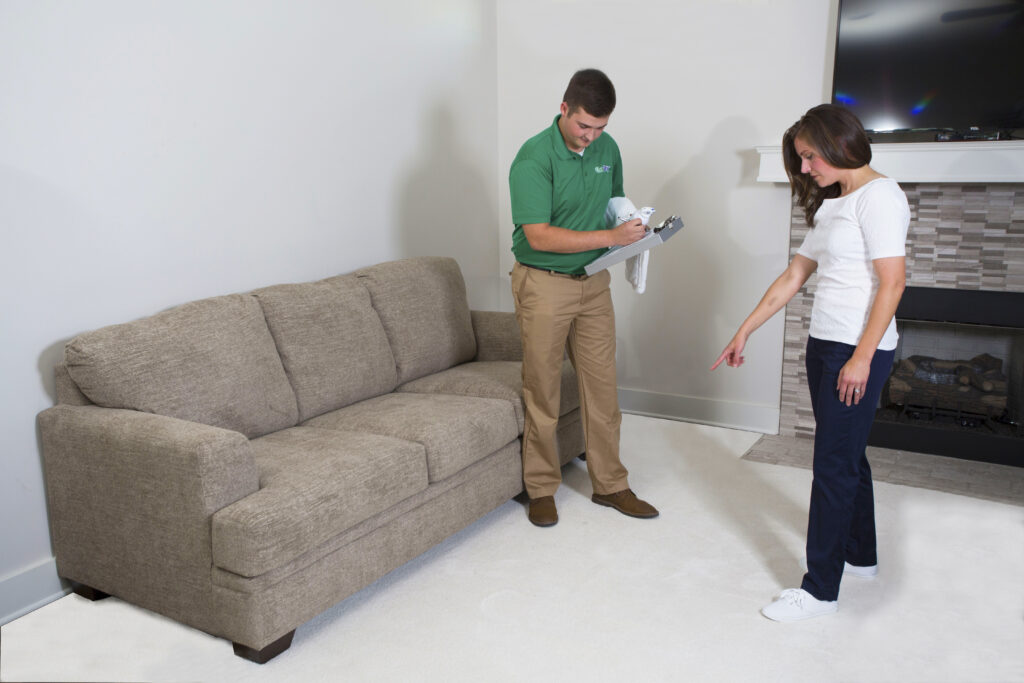
Eco Valley Chem-Dry evaluates the affected area before treatment. A technician considers the likely stain category, tests uncertain fibres or dyes, and selects a suitable solution designed to break the bond between the stain and fibre while controlling moisture.
Fast action helps, but aggressive scrubbing, random chemical mixtures, and over-wetting can make a stain larger or harder to treat.
Water-based spots, oily residues, protein stains, dyes, rust, and pet contamination each require a different approach.
Coffee, wine, sauces, juice, coloured beverages, and food spills may contain tannins, dyes, sugars, or oils.
Oily stains need chemistry that releases residue without spreading it into a larger ring.
Mud, entryway grit, and dark traffic spots often need dry-soil removal before wet treatment.
Urine may move into the backing and pad, requiring odour treatment beyond the visible surface spot.
Several controlled applications are often safer and more effective than aggressive scrubbing or excessive moisture.
Review the stain, carpet fibre, age, prior products, and likely cause.
Check uncertain dyes or fibres in a discreet area before stronger treatment.
Apply targeted chemistry and allow the correct contact time.
Remove loosened soil, cleaning solution, and residue with controlled moisture.
Support drying, inspect the result, and set realistic follow-up expectations.

Many food and beverage spills, tracked-in soil, grease, some makeup, and pet spots can be substantially improved or removed when treated quickly and correctly.
Some marks are damage rather than removable soil. Bleach can remove carpet colour, while dyes, burns, fading, melted fibres, and worn traffic lanes may need repair, colour correction, patching, or replacement.
Pet urine can pass through the carpet into the backing and pad. Fragrance may cover odour temporarily, but lasting treatment must reach the contamination. Enzyme treatment, deeper extraction, subsurface cleaning, pad replacement, or subfloor treatment may be needed for repeated accidents.
Tell the technician about the pet, the age of the spots, the strongest odour areas, and any products already used. This helps determine whether standard cleaning, specialty stain removal, or a deeper pet urine treatment is the appropriate service.
Excess detergent can attract new soil and cause the treated area to darken again. Too much moisture can create a musty smell or allow a deep stain to wick back to the surface.
Use airflow as directed, keep furniture and foot traffic off the treated area, and report reappearing spots promptly. Protective tabs or blocks may be placed under furniture legs until the carpet is dry.
A carpet protector may improve resistance to future spills, but it does not make carpet stain-proof. The best result comes from fast action, correct chemistry, thorough extraction, and realistic expectations.
No. Many stains can be improved or removed, but bleach damage, permanent dye transfer, burns, fading, and worn fibres may require repair or replacement.
Treatment may help with coffee, food, wine, grease, tracked soil, makeup, pet spots, and other stains after the technician identifies the fibre and substance.
Blot fresh spills first. If using a product, follow the carpet manufacturer’s directions, test a hidden area, and avoid mixing chemicals or over-wetting the spot.
Many areas dry in about one to two hours under normal conditions, but deep treatment, heavy rinsing, thick carpet, humidity, and limited airflow can take longer.
Share photos and details including the stain type, approximate size, carpet material if known, and previous treatments so the appropriate service can be assessed.
Carpet-care reference: IICRC Carpet Topics Tip Sheet