
Can Carpet Cleaning Remove Mold Safely in Calgary Homes?
When Carpet Cleaning May Help With Mold
Carpet cleaning may help with very limited surface contamination, but it is not a reliable solution for carpet that has significant mold growth or has remained wet for an extended period. Carpet is a porous system made of face fibers, backing, adhesive, and padding. Moisture and mold can spread below the visible surface, so cleaning the top of the carpet may leave affected material underneath. The safest decision depends on the size of the area, the water source, the length of exposure, and whether the carpet can be dried completely.
The first priority is stopping the moisture. Mold needs moisture to grow, so a leaking pipe, roof problem, flood, condensation issue, or high indoor humidity must be corrected before cleaning begins. If the source remains active, even a well-cleaned carpet can become damp and develop new growth. Remove standing water, improve ventilation, use dehumidification when appropriate, and investigate hidden wet materials near walls, baseboards, closets, and furniture.
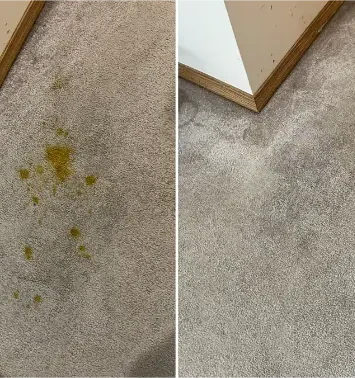
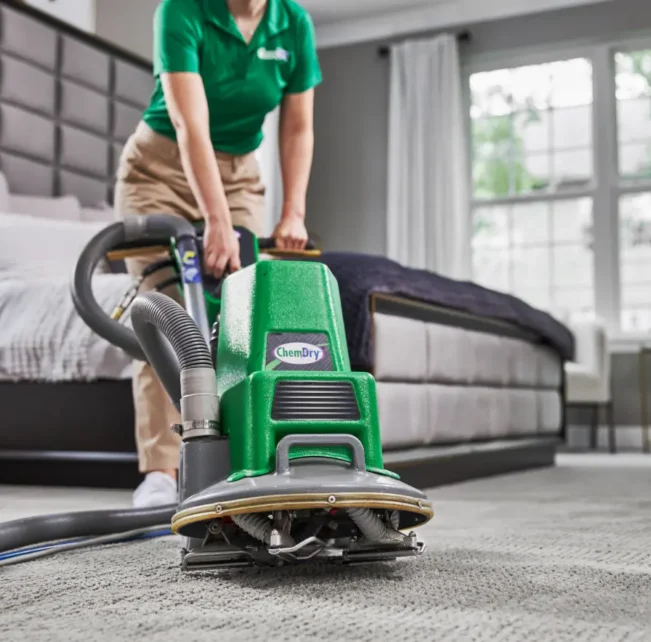
Small and Recent Clean-Water Incidents
Timing matters. Carpet that becomes wet from a clean-water spill and is dried quickly may sometimes be saved, especially when the affected area is small. Professional extraction and drying equipment can remove water more effectively than ordinary household tools. However, carpet soaked by sewage, contaminated floodwater, or long-term leakage presents a different risk. In those situations, porous materials are often difficult to sanitize safely and may need to be discarded.
Visible mold is also a warning that the issue may extend beyond a normal cleaning job. Mold can grow on the backing, pad, subfloor, drywall, or wood trim even when only a small patch appears on top. Strong musty odors, recurring discoloration, soft flooring, or repeated moisture are reasons to request a qualified mold and water-damage assessment. People with asthma, allergies, weakened immune systems, or other health concerns should avoid disturbing suspect materials and seek appropriate professional advice.
When Moldy Carpet Should Be Removed
Do not aggressively brush, vacuum, or steam-clean visible mold without a plan. Disturbing growth can spread particles, and adding water can worsen the moisture problem if extraction and drying are inadequate. Household bleach is not a universal carpet solution; it can discolor fibers, damage backing, leave residue, and may not reach contamination below the surface. The cleaning method must match the carpet material and the extent of the damage.
Contaminated Water and Wet Padding
When professional cleaning is appropriate, the process should include source control, containment when needed, extraction with suitable equipment, targeted cleaning, and rapid drying. The area should then be checked for remaining moisture and odor. If the padding is affected, replacing the pad while treating the subfloor may be more practical than trying to restore every layer.
How to Prevent Mold From Returning
In short, carpet cleaning can be part of the response to a small, recent moisture incident, but it should not be used to hide or cosmetically cover established mold. Fix the water problem first, assess all carpet layers, remove materials that cannot be cleaned and dried safely, and confirm that the area stays dry. A careful response protects the building and reduces the chance that the problem will return.
FAQs
Can steam cleaning kill mold in carpet?
Steam cleaning is not a guaranteed mold-remediation method and can add moisture if the carpet is not extracted and dried correctly.
Should moldy carpet be removed?
Removal is often the safer choice when growth is extensive, the padding is affected, contamination came from dirty water, or the carpet stayed wet too long.
Can a small wet carpet area be saved?
It may be possible when the water source is clean, the area is limited, and the carpet and padding are extracted and dried quickly.
How can mold be prevented from returning?
Repair the moisture source, dry all materials completely, control indoor humidity, and monitor the area for odour, discolouration, or renewed dampness.