
How Long Does Carpet Take to Dry After Cleaning in Calgary?
Average Carpet Drying Time
Carpet commonly takes about 6 to 12 hours to dry after professional cleaning, although some conditions can extend drying toward 24 hours. The exact time depends on how much moisture was used, how effectively it was extracted, the carpet and padding materials, room temperature, humidity, airflow, and the level of soil treatment required. A carpet that feels almost dry on the surface may still hold moisture lower in the pile, so it is important to allow enough time before replacing furniture or returning the room to normal use.
Why Most Carpets Need 6 to 12 Hours
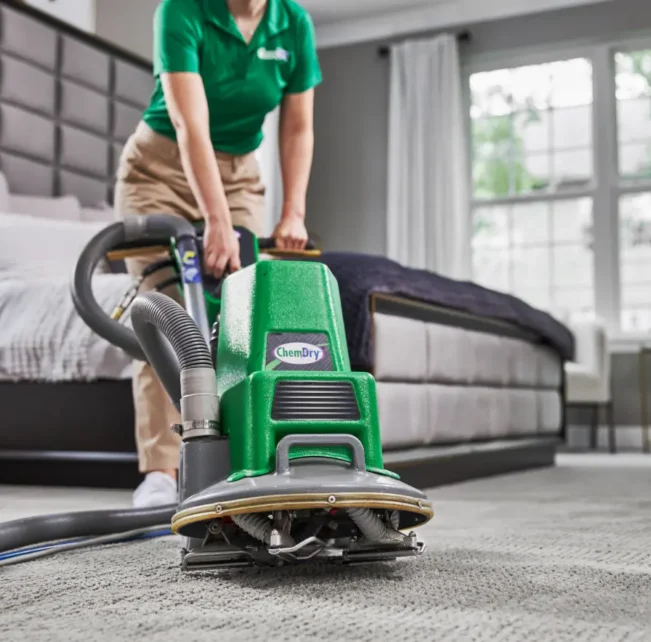
The cleaning method has a major effect. Hot water extraction rinses and recovers soil with water, so drying depends heavily on the technician’s equipment, technique, and number of recovery passes. Low-moisture methods can dry faster because they use less liquid, but they may be selected for different maintenance goals. Heavy spot treatment, urine flushing, multiple cleaning passes, or cleaning over a thick pad may increase the amount of moisture that needs to evaporate.
Factors That Make Carpet Dry Faster or Slower
Weather and indoor conditions matter too. Warm, dry air can accept more moisture than cool, humid air. On a humid day, opening windows may slow drying instead of helping. Air conditioning can remove humidity, while heating may help in cool conditions when used safely. Ceiling fans, portable fans, and professional air movers improve evaporation by moving damp air away from the carpet surface. A dehumidifier can be useful in enclosed or naturally humid spaces.
Humidity, Airflow, Fiber, and Cleaning Method
Carpet construction also changes the timeline. Dense pile, wool, thick padding, and absorbent fibers may retain moisture longer than low-pile synthetic carpet. Rooms with limited air circulation, basements, closed closets, or furniture covering large areas can dry more slowly. Carpet that was heavily soiled may require more solution and rinsing, although a skilled cleaner should still avoid unnecessary saturation.
How to Speed Up Carpet Drying
You can speed drying before and after the appointment. Remove small items so the technician can clean efficiently. Discuss sensitive areas, previous water damage, and deep stains in advance. After cleaning, run approved ventilation equipment, keep interior doors open where practical, and maintain comfortable temperature control. Do not place plastic sheets over the carpet because they trap moisture. Follow the cleaner’s instructions for protective blocks or tabs under furniture legs.
Limit traffic while the carpet is damp. If you must walk across it, use clean socks or disposable shoe covers and avoid carrying soil from hard floors. Keep pets and children away until the area is dry and any treatment is safe. Do not return heavy furniture too early; moisture can transfer to wood, metal can rust, and stains can move into the carpet. Furniture placed directly on damp fibers can also restrict airflow.

When Slow Drying Signals a Problem
If the carpet remains noticeably wet after 24 hours, develops a musty odor, or shows water collecting near walls or seams, contact the cleaning company. Slow drying may indicate over-wetting, poor extraction, very high humidity, or moisture below the carpet. Quick follow-up can prevent secondary problems.
A realistic drying plan makes the cleaning appointment easier. Expect several hours, prepare airflow in advance, and schedule cleaning when rooms can stay lightly used. With proper extraction and ventilation, most carpet returns to normal use within the same day.
FAQs
How long should carpet stay off-limits after cleaning?
Limit traffic until the carpet is dry, usually for 6 to 12 hours, and follow the cleaner’s specific instructions.
Can I open windows to dry carpet faster?
Yes when outdoor air is warm and dry. In humid weather, air conditioning or dehumidification may work better.
When can furniture go back on cleaned carpet?
Wait until the carpet is fully dry or use professional protective tabs or blocks as directed by the cleaner.
What if carpet is still wet after 24 hours?
Contact the cleaning company, especially if there is a musty odour, visible moisture, or wetness near walls and seams.