
Will Carpet Cleaning Kill Fleas in Calgary Homes?
How Fleas Live in Carpet and Upholstery
Carpet cleaning can reduce fleas and remove some eggs, larvae, pupae, and debris from carpet, but it should not be treated as a complete solution by itself. Fleas live through several life stages, and the visible adult fleas are only part of the problem. Eggs can fall from a pet into carpet, furniture, cracks, and bedding. Larvae develop in protected areas, while pupae can remain inside cocoons until movement, warmth, or carbon dioxide signals that a host is nearby. A successful response must address the pet, the home, and the life cycle at the same time.
Eggs, Larvae, Pupae, and Adult Fleas
Start with the pet. Contact a veterinarian for a flea treatment that is appropriate for the animal’s species, age, size, health, and household conditions. Never use a dog-only product on a cat, and do not combine pesticides or home remedies without professional guidance. If every pet is not treated consistently, fleas can continue feeding and reproducing even after the carpet is cleaned.

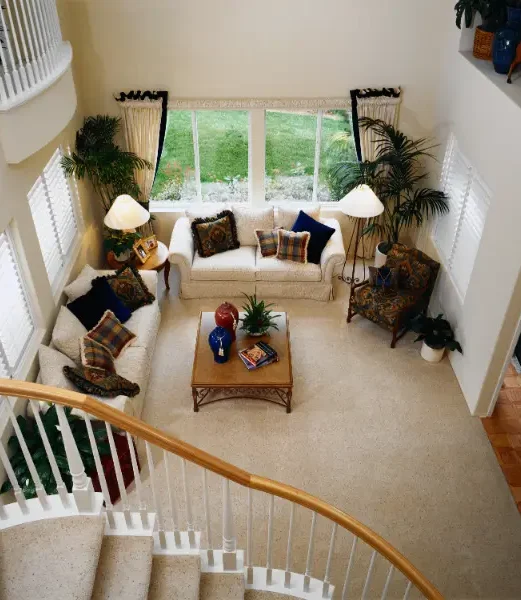
What Carpet Cleaning Can and Cannot Do
Vacuuming is one of the most useful household steps. Vacuum carpets, rugs, upholstered furniture, pet resting areas, baseboards, and floor edges thoroughly. Movement and vibration can encourage some developing fleas to emerge, while suction removes adults, eggs, larvae, food sources, and debris. During an active infestation, frequent vacuuming is more effective than a single pass. Empty the vacuum outside into a sealed bag or follow the machine manufacturer’s disposal instructions so captured fleas are not released back into the home.
Vacuuming and Hot Water Extraction
Professional carpet cleaning can support this process. Hot water extraction and strong recovery may remove flea stages and residues from the carpet, and heat may affect fleas directly when sufficient temperature and contact are achieved. However, thick carpet, padding, furniture, cracks, and protected areas may not receive the same exposure. Flea pupae are also difficult to eliminate because the cocoon provides protection. For these reasons, carpet cleaning should be combined with ongoing vacuuming and appropriate treatment rather than promoted as a guaranteed one-visit cure.
A Complete Flea-Control Plan
Wash pet bedding, blankets, and washable fabrics using the hottest setting safe for the material, then dry them thoroughly. Clean hard floors, furniture gaps, and areas under beds or sofas. Reduce clutter that provides protected spaces. Outdoor shaded areas where pets rest may also need attention, especially if wildlife or stray animals can enter the property.
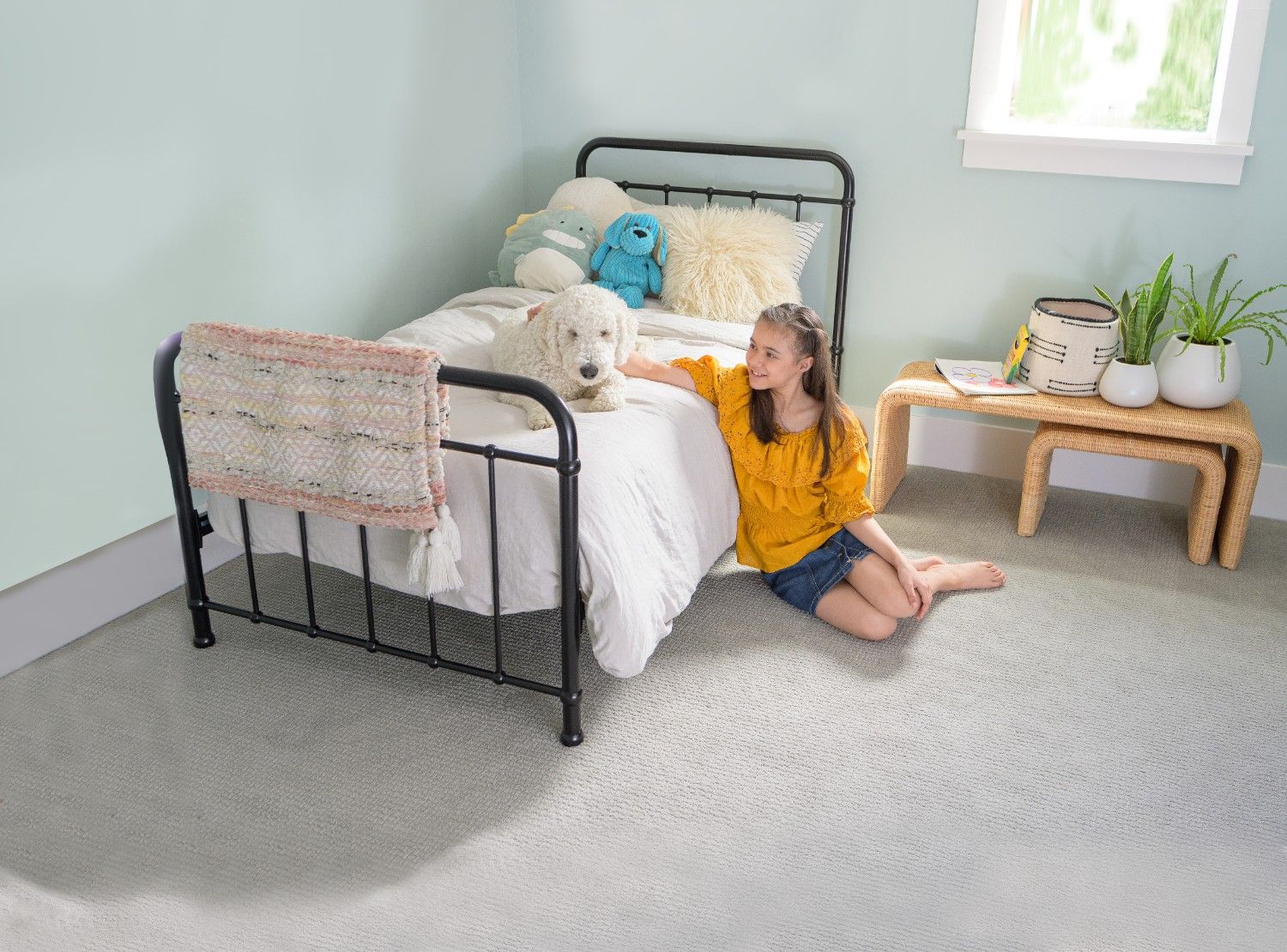
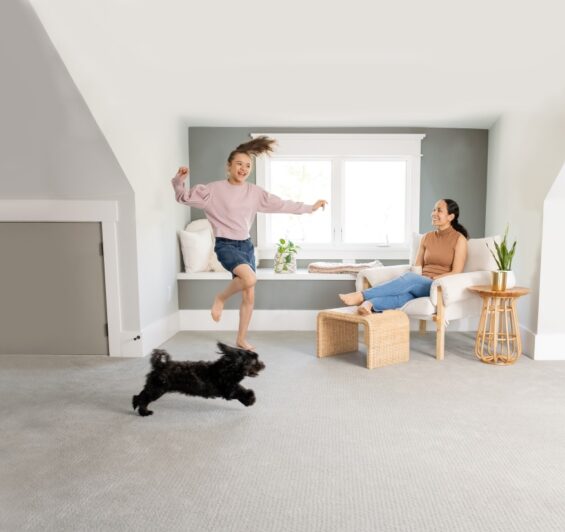
Pet Treatment, Laundry, and Professional Pest Control
If fleas remain active, a licensed pest-management professional can inspect the property and recommend targeted control. Follow all label directions, ventilation requirements, re-entry times, and safety instructions. More pesticide is not better, and random spraying can expose people and pets without reaching the places where immature fleas are developing. Expect follow-up activity because new adults may continue emerging after the first treatment.
Carpet cleaning is therefore a valuable part of flea control, but not the whole plan. Treat pets under veterinary guidance, vacuum repeatedly, launder fabrics, clean carpet and upholstery, and use professional pest control when necessary. Continue monitoring pets and household areas for several weeks. By coordinating these steps, homeowners can interrupt the flea life cycle more effectively and reduce the chance of another infestation.
FAQs
Does steam cleaning carpet kill all fleas?
It may kill or remove some flea stages, but protected eggs, larvae, and pupae can remain in padding, cracks, furniture, or other areas.
How often should I vacuum during a flea infestation?
Vacuum frequently, often daily in the most affected areas, and dispose of collected debris safely outside the living space.
Do pets need treatment if the carpet is cleaned?
Yes. Carpet cleaning cannot stop the infestation if untreated pets continue carrying and feeding adult fleas.
When should I call a pest-control professional?
Seek professional help when fleas remain active despite coordinated pet treatment, repeated vacuuming, laundry, and thorough household cleaning.