
Why Regular Carpet Cleaning Matters in Busy Calgary Homes
How High Traffic Affects Carpet
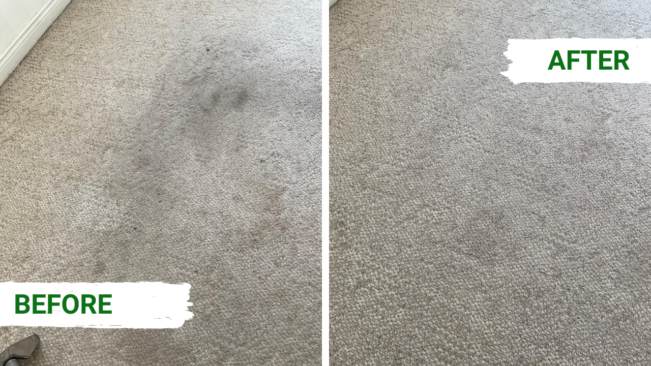
Regular carpet cleaning is especially important in high-traffic homes because daily activity places constant pressure on the flooring. Entryways, hallways, stairs, family rooms, and areas near sofas or dining tables collect more soil than quiet rooms. Shoes bring in grit, children create spills, pets leave hair and dander, and normal movement pushes debris deeper into the pile. Without a consistent maintenance plan, traffic lanes can look dark, fibers can flatten, and odors can become more difficult to remove.
The most effective carpet-care program uses several layers of maintenance. Entry mats reduce the amount of outdoor soil that reaches the carpet. Routine vacuuming lifts loose particles before foot traffic grinds them into the fibers. Prompt spot treatment addresses spills before they spread or set. Periodic deep cleaning removes oily soil and compacted residue that ordinary vacuuming cannot fully capture. Each step supports the others, so waiting until the carpet looks severely dirty is usually less efficient.

Embedded Soil and Fiber Abrasion
Embedded grit is more than a visual problem. Hard particles can rub against carpet fibers every time someone walks across the room. Over time, this abrasion may contribute to dull color, fuzzy texture, and worn pathways. Deep cleaning helps remove this hidden soil, while grooming can reset the pile and improve the carpet’s appearance. Results depend on carpet construction, age, fiber type, and existing damage, but preventative care generally offers more value than emergency restoration.
Traffic Lanes, Spots, and Odors
Odor management is another reason to maintain carpet regularly. High-traffic homes experience food spills, damp footwear, pet accidents, cooking odors, and general household activity. Deodorizing sprays may create a temporary fresh scent, but they do not remove the source. Proper cleaning identifies the affected material, applies the right treatment, extracts residue, and dries the carpet completely. If contamination has reached the padding, a deeper or more targeted treatment may be required.


A Practical Carpet Maintenance Routine
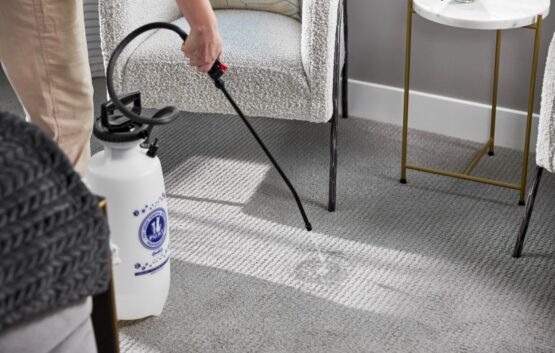
A practical schedule should reflect how the home is used. Vacuum busy areas multiple times each week when needed and quieter rooms at least weekly. Clean new spills immediately with a method approved for the carpet. Many homes consider professional deep cleaning every 12 to 18 months, but homes with children, pets, smokers, outdoor workers, or frequent gatherings may benefit from shorter intervals. Manufacturer instructions and warranty requirements should always guide the final schedule.
Vacuuming, Spot Care, and Deep Cleaning
Choosing the correct cleaning method also matters. Too much detergent can leave sticky residue that attracts soil. Excess water and slow drying can create musty odors or affect the backing and pad. Aggressive scrubbing may distort fibers. A trained cleaner should inspect the carpet, test uncertain stains, select suitable chemistry, control moisture, and perform enough extraction to leave minimal residue. Good ventilation and air movement after cleaning support faster drying.

How to Choose the Right Cleaning Schedule
Consistent carpet cleaning keeps a busy home easier to maintain and more welcoming. Rooms look brighter, traffic areas blend more evenly, and fresh spills are less likely to become permanent. The goal is not to chase perfection after every footprint. It is to follow a realistic routine that protects the carpet from preventable wear. Combining mats, vacuuming, fast spot care, and scheduled deep cleaning creates a durable plan for households where the carpet works hard every day.
FAQs
Why do high-traffic carpet areas get dirty faster?
Frequent foot traffic pushes grit, oils, and tracked-in soil deeper into fibres, creating darker lanes and faster wear.
How often should busy households deep-clean carpet?
Many start with a 12-to-18-month schedule, but pets, children, smoking, outdoor work, or frequent guests may justify more frequent cleaning.
Can too much carpet shampoo cause problems?
Yes. Detergent residue can attract new soil, while excessive moisture can slow drying and create musty odors.
What is the best daily protection for carpet?
Use entry mats, vacuum traffic areas regularly, respond to spills quickly, and avoid outdoor shoes when practical.